
How To Maintain A Wood Fence [Guide]
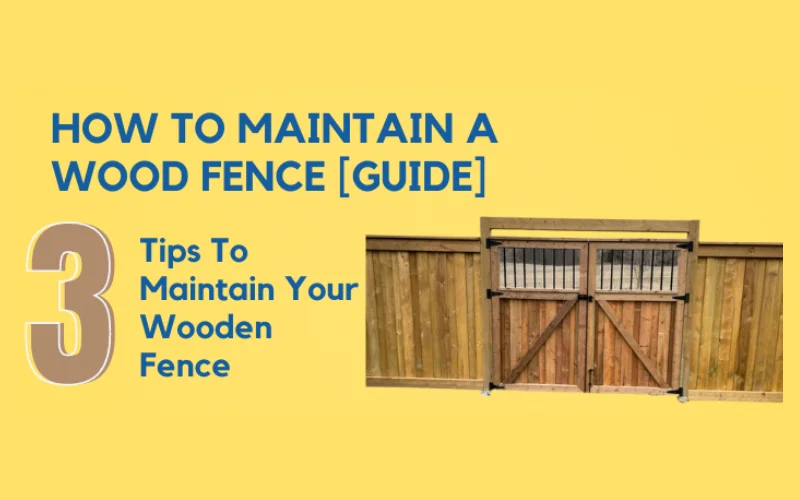
An heirloom wooden table, dresser, or rocking chair can all be restored to look as good as new and ready for the next generation. All it needs is a lick of paint or varnish. But there is very little you can do to restore a wooden fence battered by years of rain and extreme heat. The ravages of weather notwithstanding, wood fences can still last a reasonably long time. With the right care and maintenance, your board-on-board, picket, or split rail fence can endure the adverse effects of weather for up to 15 years, looking as good as only wood fences can. The Importance Of Regular Maintenance For Your Wood Fence How do you extend the life of your wood fence and get maximum value from it? You do so through regular maintenance. Wood is a natural material. Among its qualities is an ability to blend in with most decor styles. As a fencing material, it can be machined into any design you can think of. That and wood’s warm tones give wood fences oodles of character and great popularity among homeowners. Sadly wood isn’t very strong. If exposed to moisture for long periods of time, wood fences will rot rather quickly and not last as long. Insect damage also becomes an issue, especially if the wood used is untreated. Exposing your wood fence to excessive heat and sunlight without the right protection is also just as bad. Direct sunlight will bleach wood of its natural colour. Other effects of weather damage include warping, bowing, and cracking. None of them look good on your fence. So your greatest enemy as far as the upkeep of your wood fence is concerned is the weather. But it isn’t the only one. You also have to mind the effect of normal wear and tear, which can also diminish the look of your fence. While the prospect of a fence that maintains its looks for as long as possible is a great perk for regularly caring for your wood fence, there is another important benefit. A fence with rotted posts, splintered boards, and entire sections that are leaning dangerously to one is a safety risk for your family and passersby. A well-maintained wood fence also does a better job of keeping intruders out and securing your property. It will also ensure your property retains its resale value, guaranteeing you a good price should you ever decide to sell up. We have established that the best way to prolong the life of your wood fence is by following a regular maintenance regime. But what does that maintenance entail? How To Maintain Your Wood Fence Maintaining a wood fence to look its best for long requires dedication. In many ways, it is a labour of love. Here are tips to make your job easier: 1. Clean It For the same effect they have on general appearance, dirt can harbour moisture and insects, two of your wooden fence’s biggest threats. While the fix is obvious, many property owners struggle to keep up with the cleaning when faced with a long fence. There are cleaners specially formulated for wood. If you can, choose one that is not toxic to the environment. Before you start cleaning, though, make sure to remove leaves and other dead plant matter. Follow the manufacturer’s guidelines for using the wood cleaner. That said, they mostly work the same way. You apply it over the wood surface. Start from the bottom and work your way up, making sure to reach into the corners and crevices. Use a small brush to get the cleaner into the hard-to-reach areas. After waiting the recommended time, wash the cleaner down with a pressure washer. Be careful with pressure washers, especially if the fence is damaged and weak in some sections. In trying to clean the fence you could damage it or cause injuries if it happens to collapse. Power-washing a wood fence has the effect of stripping it of any stain you may have used to protect it. So make sure to restain it, but wait until the fence has completely dried. 2. Protect It The foundation of any wood fence maintenance regime is by protecting it against weather and insect damage. Without this protection, your fence will neither keep its looks nor last very long. Whether it is soaking rain, deep snow, or blazing sun, the effects of the weather can be mitigated. In terms of rot, the trick is to stop the wood from absorbing moisture. Applying moisture repelling, oil-based wood stain is the best way of doing this. The stain will seal the surface of the wood and stop it from absorbing the moisture that causes it to rot and discolour. If it’s a fresh installation, make sure to stain the fence as soon as you can. If it isn’t a newly installed fence, you will need to clean it before you apply the stain. Apply at least two coats of stain, giving each 12 hours to dry before applying another coat. To apply the seal, either use a brush or spray. Applying an oil-based stain will protect your wood fence from rot caused by moisture. But how do you prevent the sun bleaching caused by excessive sunlight? Applying a stain will help, but choosing one with a UV inhibitor that’s specially formulated to prevent sun bleaching will work best. Stains are also available in a variety of colours, so choose one that matches the wood and the overall property. The best form of protection against insect damage is by using the right wood right at the beginning. Instead of using regular pine wood, choose pressure-treated pine, which is fortified to protect against wood-eating insects. The posts especially are highly susceptible to insects and moisture. So at least use pressure-treated wood for these if you have a limited budget. If you have the budget, red cedar, oak, and other hardwoods will be your best options. These tough, denser woods also handle moisture and UV
How To Deal With A Bad Fencing Contractor
We have talked a lot and written articles on the tell-tale signs that the fencing contractor you are considering may not be the right one for you. One of these is searching the Better Bussiness Bureau for their list of accredited fencing contractors in London, Ontario. But what if you realize too late that you have a bad contractor on your hands? Mind you, the contractor will act faultlessly while negotiating the contract and only start to show their true colours after you have paid them a deposit. Here are some common scenarios of contractor trouble: The contractor no longer picks your calls The pace of the work is slower than agreed The contractor seems to have abandoned the work The contractor is negligent and damages property The quality of the work is poor What To Do With a Bad Fencing Contractor Unfortunately, a contractor that suddenly doesn’t pick up calls after you have paid them may mean you have been scammed. It is common that you will hold up hope the contractor will pitch up soon ready to start work. But if you don’t hear from them a week after paying them, take decisive steps to recover your money. A good place to start looking for a contractor who has disappeared on you is the local fencing contractors association or registration board. If you can track them down, start legal action to recover your money. Otherwise, report the matter to the police. In the other cases, here’s what you can do: 1. Discuss your concerns with the contractor Some contractor issues can be talked over. At times a contractor may simply not have understood the design brief and neglected some fence features you are particularly keen on. If you catch this early and raise it with the contractor, they may be able to fix them and avoid costly remedial work later. Other times you will realize too late that the work was not done according to the contract agreement. Still, try not to be confrontational and raise your concerns calmly. If the work deviates too far from what you agreed in the contract, the contractor has to take responsibility and be willing to settle it in a way that pleases you. If a dispute arises, be prepared to sue. Hopefully, the contract had enough protection for you against this eventuality. Either way, seek the guidance of a lawyer. 2. Fire the contractor In cases where the standard of the work is so poor you can’t let the contractor continue, you may have to fire them. Similarly, if the contractor is taking too long to finish work, you may have to get another to finish the work. Should you have to fire the fencing contractor for poor workmanship, expect that they will fight back. So be sure that the contractor has breached the contract you signed with them. Where you are unhappy with the pace of the work, it helps if you had a timeline written into the contract. 3. File a claim on their surety bond In cases of poor workmanship, another viable avenue for recourse is to file a claim on the contractor’s surety bond. This is why they have it and why they reference it when bidding for work. Get a copy of the contractor’s surety bond and file a claim against it. Where the contractor damaged property, take pictures and collect other evidence that can help your case if the matter can’t be resolved between yourselves and you have to sue. If the contractor has an insurance policy against property damage, it may help keep you out of court. Suing Your Fencing Contractor In London, ON It’s possible you will exhaust all options for an amicable resolution to a contract dispute. If you had hired an unlicensed contractor, the licensing board may refuse to mediate your case. The courts may be your last option. The law in Ontario allows you to sue your fencing contractor for an unfulfilled contract. Your success with this route, however, depends on the merits of your case and on the terms you had agreed in the contract. When you sue for poor workmanship, know that you have to do it in stages, starting with sending a complaint, collecting evidence, and going for arbitration with the professional body the contractor is registered with. When all fails to produce a resolution, you can then approach the courts where it can still go either way. Jay Fencing is an experienced, fully bonded fencing contractor serving London, Ontario. We do it right the first time. Contact us today to discuss your fencing requirements.
5 Chain Link Fence Maintenance Tips: How To Maintain Your Chain Link Fence To Last Longer
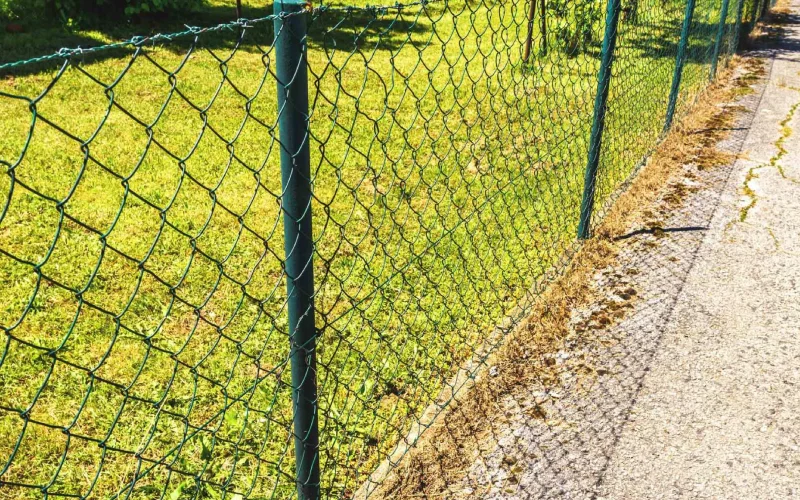
Chain link fences have all the essential qualities you need in a fence. They are strong, affordable, and secure. Another quality that endears this fence type to both residential and commercial property owners is they hardly need any maintenance. The outdoor environment is, however, tough for anything that rusts. The weather in Brantford, which gets very wet, doesn’t help either. So despite its celebrated durability, your chain link fence will still benefit from some regular maintenance. It will last even longer, looking just as good. Here are tips on how to maintain your chain link fence: 1. Keep Your Fence Clean Chain link fences trap a lot of dirt and debris because of their design. While this does not immediately damage the fence, it does make it look unkempt. Too much dust and debris will also trap moisture that will eventually cause your fence to rust. Make it a habit to regularly clean your fence of dust and other dirt. You can hose it down or, if it’s oily, lightly scrub it with wire steel and soapy water. 2. Do Not Allow Trees To Grow Through Your Fence Chain link fences do not damage easily but if you let vines grow through yours they will not hold up as well. Yes, all that greenery on the fence does look appealing, but the cost is usually the structural integrity of the fence. What happens is as the vines or hedge grows, they will lift the fence off the ground, leaving an opening through which pets can escape and wild animals can sneak in. Besides that, as the vines grow through the links the wire may break creating holes that will make the fence less secure. 3. Maintain A Fireguard While fire will not completely damage a chain-link fence, it will weaken and make it less structurally sound. The steel wire becomes soft and more likely to break. On top of that, fire removes the galvanized finish that protects the fence from rusting. To protect your fence from fire, clear the immediate surroundings of the fence of anything that burns. Better yet, maintain a fireguard. Speaking of rusting: 4. Refinish The First At The First Sight Of Rust Rust is a chain-link fence’s worst enemy. First, that orange, rusted appearance doesn’t look very nice. It makes the fence look old and neglected. Hardly the look you want for your Brantford property. Even worse than the aesthetic degradation is the actual physical damage rust can cause. As your fence corrodes rust slowly but surely eats away the wire and the supporting posts, weakening and making them more susceptible to breaking. You can prevent the worst effects of rust on your fence by acting early. Since rust itself is a sign that the protective galvanized finish has worn off, the simple solution is to refinish the fence with metallic, anti-rust paint. Before you apply any new finish, it is crucial that you prep the fence by cleaning off all rust and dirt. Otherwise, the new finish will not adhere. Vinegar is known to be effective at softening rust. It is environmentally sustainable, too, even for removing mold. Follow the paint manufacturer’s instructions when refinishing, but wait until it has fully dried. 5. Attend to Repairs Timeously The best way to deal with rust is to catch it early. If you leave it to spread the refinishing job can become too overwhelming. So it is a good habit to regularly inspect your chain link fence for rust and physical damage. Check areas to the bottom of the fence as they are more likely to rust. Pay particular attention to the upright and supporting posts as these hold the fence together. Areas where the fence appears to sag typically points to an issue that needs to be attended to quickly. Jay Fencing is the leading chain-link fence installation and repair contractor in Brantford, ON. Whether it is to fix a broken fence to install a new one from scratch, we are at your service. Contact us here to discuss your needs.
Canada Green Homes Grant: Fit More into Your Home Improvement Budget

Every year, there always seems to be more than one repair or improvement you have to do on your home, either to boost curb appeal, improve comfort, or lower your energy bills. The trouble is there is never enough money to fit it all in your budget. If you have been stuck between building a new deck or installing a new privacy fence and investing in a more energy-efficient heating system for your primary residence, you may now be able to fit both in your budget. The recently announced Canada Greener Homes Grant will award up to $5,000 in grant money for energy-saving upgrades on primary residences. The money will be reimbursed for qualifying energy-saving home retrofits. What Is The Canada Green Homes Grant? The Canada Green Homes Grant is an initiative of the federal government that aims to help Canadians make their homes more energy-efficient. By helping people retrofit their homes in ways that minimize heating, ventilation, and other energy costs, as well as switch to greener energy sources, the government hopes to make life more affordable and comfortable for up to 700,000 Canadians. Through the Canada Green Homes Grant, the federal government is also looking to create new jobs, fight climate change, and grow domestic green supply chains. The Prime Minister’s Office announced that the federal government will recruit and train 2,000 new energy advisors as part of the Canada Green Homes Grant. These advisors will guide, advise, and offer timely evaluations to homeowners who apply for the grant. The new hires are expected to reflect the government’s noted commitment to promoting diversity and inclusion in the job market. Canadians who want to train as energy advisors can apply. Cheaper and Sustainable Energy for Canadian Homes Launching the program, Prime Minister Trudeau noted that the energy-saving home upgrades the Canada Green Homes Grant is promoting are sometimes out of reach for ordinary Canadians. As a result, homeowners end up spending more money than they have to on energy bills. Many people are also forced to rely on unsustainable sources of energy to power their homes. For example, during power outages, many homeowners have no option but to use gasoline generators that are expensive to run and release toxic gases that pollute the air we breathe. A sustainable solution that is cheaper in the long term will be to install photovoltaic solar panels. It is estimated that Canadian homes and other buildings constitute 18 percent of the country’s greenhouse gas emissions. So this new initiative has the potential to drastically improve air quality and help the country meet its climate change goals. It should help drive the adoption of solar energy, which is an area Canada stills lags behind other developed countries. How Does The Canada Green Homes Grant Work? There are two ways Canadians can get reimbursed for energy-saving retrofits they make on the primary residences. First, to begin the process, you have to engage a certified energy advisor who will come in and evaluate your home’s current energy efficiency and advise on retrofits that may help you save energy or upgrade to a more sustainable source. To help you with that, you will receive up to $600 in reimbursements. Besides the reimbursement for the expert evaluation, you can claim up to $5,000 for the actual retrofit. Note that you will only be eligible for the reimbursement after a post-retrofit evaluation by an energy advisor is completed. So in total, you can receive up to $5,600 in grant money. To receive the grant money, you have to complete at least one of the retrofits recommended by the energy advisor. The retrofitting work will also have to be done by a licensed contractor. And unless you follow through and implement the upgrades recommended by the energy advisor, you will not be eligible for the pre-retrofit evaluation. To access the Canada Greener Homes Grant, you have to register through this online form. Interest in the program is so high that the online form crashed the first day it was opened to the public. What residences qualify for the Canada Greener Homes Grant? To be eligible for the grant, the property must be your primary residence and be more than six months old from the date it was first occupied. It must also meet the EnerGuide evaluation conditions. You, of course, have to provide the documents that show that you own the home. The residences could be any of the following: Single or semi-detached houses. Townhouses Mobile homes on permanent foundations, Permanently moored floating homes, Mixed-use buildings small, multi-use residential buildings What Retrofits Are Eligible Under the Canada Greener Homes Grant? To qualify for reimbursement under the green homes initiative, a retrofit must have been recommended by a certified energy advisor. Home improvements that boost climate resiliency, like those that protect against floods, wind, blizzards, and power outages will be considered for reimbursement if combined with an energy-efficient retrofit. The following are the retrofits that qualify for Canada Greener Homes Grant: Home Insulation Home retrofits that slow the rate of heat loss have the effect of optimizing energy use, which lowers overall household costs. These retrofits can earn you reimbursements up to $5,000. Air Sealing Home improvements that reduce the amount of air that escapes from the house are considered the most effective retrofits for improving energy efficiency. Reduced air loss also mean improved heat retention, which lowers overall heating costs. Retrofits that improve your house’s capacity to prevent air loss can earn you up to $1,000 in Canada Greener Homes Grant money. Windows and Doors Installing doors and windows that improve a home’s insulation capabilities will lower heating, cooling, and lighting costs, ensuring greater energy efficiency. Expect up to $5,000 in reimbursements. Thermostats Installing modern thermostats will ensure your appliances don’t run longer than they have to. That means lower energy costs for the home. To qualify for the
Soaring Lumber Prices In Canada: Causes, Effects, And The Outlook

Lumber prices in Canada have risen more than 170 percent in the last six months. With the soaring demand for new houses and the growing numbers of homeowners planning remodels, fencing, and other home improvement projects, prices are not expected to settle back to pre-pandemic levels anytime soon. It’s not just the price of lumber that can’t stop rising. Other wood products are getting more expensive with every passing week. What’s also remarkable is that buyers don’t seem too concerned with the record-breaking price hikes because mills are struggling to fill orders. Rising Lumber Prices Driving Building and Renovation Costs Up All the price hikes have made it more expensive to build and renovate houses. The runaway prices may also be indirectly spurring demand for new housing units in a market where demand was already outstripping supply. Because the ever-rising prices are making it difficult to cost projects and price new housing units, many developers have chosen to develop and sell in blocks. That means even fewer units are making it to market, which pushes demand even more. At some point, builders will have to pass on the cost of all these price hikes to the consumers. That will mean higher home prices. In fact, that’s already happened. Builders say the high lumber prices have added between $8,000 and $10,000 to the cost of building a single-family home in Canada. About that board-on-board wooden fence, deck, or pergola you had planned for this year’s building season, the sky-rocketing prices mean you have to revise your budget upwards. Hopefully, that won’t kill the project. But what has caused the crazy price situation in the building materials market? What Is Causing Lumber Prices to Soar? The simpler explanation for the stunning rise in lumber prices is that supply can’t keep up with demand. But with prices as wild as they are, the question demands further investigation. Let’s consider some possible causes: Low-interest Rates In its efforts to help the economy recover from the ravaging effects of the Covid-19 pandemic, the Bank of Canada has maintained a low 0.25% benchmark interest rate. As the red hot housing market has shown, that wasn’t the right bet. The pandemic did not discourage people from investing in new homes nor from improving their existing ones. Many were more than prepared to dip into their savings in spite of the economic uncertainty caused by the pandemic. In the housing market, the low-interest regime has, in fact, worked too well. So well that the bank has now flagged the urban markets of Toronto, Hamilton, and Montreal for what it has called ‘exuberance’ in their housing markets. The low-interest rates have spurred unprecedented borrowing in the housing market, which has seen house prices rising sharply. Still, demand for new homes has not slowed. People are, in fact, taking on more debt to buy the ever more expensive houses. According to the Bank of Canada, this is debt that most of the borrowers can’t afford. The central bank is so concerned that it has warned that interest rates will not stay low forever. For now, though, interest rates and borrowing costs will remain low and the demand for lumber and its prices will stay high. We have blamed so much on Covid-19 that it’s become a reflex action. So why not shift blame for the rising prices of lumber onto the pandemic? Unfortunately the pandemic has to take the rap again, in more ways than one: The Work From Home Craze Has Spurred Demand For More Spacious Homes The stay-at-home orders the government resorted to as a way of containing spiraling Covid-19 virus infections in the first quarter of 2020 forced many people to work from home. Suddenly homes that had been adequate as living quarters no longer cut it as places of work. Many either had to renovate and make their homes more work-friendly or upgrade to newer, more spacious homes. Working from home proved so successful that many people made up their minds to not go back to working from the corporate office again. Many of the big tech companies have since announced they will allow some of their staff to continue working from home post-pandemic. All the more reason to make the home more comfortable, which means more home renovations and greater demand for lumber and other building materials. Covid-enforced Mill Closures The surge in demand for lumber would not have led to such a steep rise in prices if the supply side hadn’t run into challenges. At the beginning of the Covid lockdowns, lumber mills effectively shut down. The construction industry as a whole ground to a halt because of that and other Covid-related reasons. When the economy opened again, many mills didn’t immediately ramp up production, worried that rising unemployment would sap demand. It didn’t and from then on the industry has been playing catch-up. Demand for construction materials and lumber, in particular, didn’t suffer as feared. Soon it was outstripping supply. With not enough product to meet demand, prices were always going to rise. While most mills are now operating at full capacity, demand is still outpacing supply. It is not like mills can cut more trees to feed the excess demand. Annual allowable cut rules mean there is only so much wood mills can process and bring to market in a given year. So there is not going to be a major improvement in supply this year, even as lumber mills and dealers are eager to make the most of the prevailing high prices. Will Lumber Prices Come Down In 2021? The current outlook is that the only way lumber prices will be going this year is up. The current warmer weather means there will be more lumber making its way to dealers. That will help contain demand. But in all likelihood, it will only
8 Undeniable Benefits of Installing a Fence on Your Residential Property

When you buy a home, one of the great investments you can make to your property is installing a fence around it. Homeowners with children and pets know the importance of fencing their properties. You have probably heard that installing a fence around your residential property increases its value, protects your family and offers privacy. This article demonstrates the perks and benefits of installing a fence around your residential property. However, there are a few things you should consider before you install a fence. Install the Fence Where it is Needed the Most As mentioned earlier, a fence offers many benefits to a homeowner. However, it would be best if you elected the fence at the right place to benefit maximally. A good example is when you want to hide a nasty sight, like a rundown property in the background. It is important to elect the fence to ensure it covers this unsightly and unappealing view adjacent to your property. A professional fencing company will assist you in establishing where the fence is required the most. The other thing, when installing a fence around your property, ensure the fence height is appropriate. Do not hide the beauty of your property by electing a tall fence at the front view. Remember, you need a fence to accentuate your property, not to cover it completely. A Fence Distinguishes Your Property from others for Sale Most homeowners aim to increase their properties, which is a great strategy, especially with the competitive Waterloo real estate market. Anything you can do to stand out from the crowd will significantly help you obtain the best value for your property. Most clients consider the security and privacy of a property before purchasing it. Statistics show that home buyers prefer fenced properties to unfenced ones, and they are willing to pay extra dollars as long as the above two factors are considered. The Right Materials Make All the Difference Though you plan to make some extra cash from the sale of your property, you must use quality and durable materials for your fence. Wood and iron fencing materials are known to be more durable and offer tight security to homeowners. Such materials bring more value when your sell your home compared to other fencing materials, like vinyl or chain-link. The fact that fences add value to your property does not imply you construct any fence. You must establish the fence that is best suited for your home and neighborhood. While chain-link fences are pretty popular, they provide little privacy, safety, and security; thus, they will add minimal value to your property when selling it. Yes, a chain-link fence is low-cost and might work in some home settings, but it doesn’t bring the beauty and purpose of other fences. Hire an Expert to Install your Fence Do not be deceived by the simplicity of some fences. Suppose you want to add maximum value to your property through a fence. In that case, you should seek the services of a professional fence installation company with rich experience and expertise to help you make the right decision, choose the best fencing materials, and properly install and maintain your fence. A fence is not a weekend activity and is not recommended as a DIY project. The Benefits of Installing a Fence on Your Residential Property It Offers Safety Electing a fence around your property reduces your insurance contributions. Depending on your insurance carrier, you could pay less by simply constructing a privacy fence around your property. A properly installed fence increases your property’s value and minimizes your monthly insurance contributions. Take a closer look at your neighborhood and tell us what you see. What fences have your neighbors constructed? Which fences have your neighbors built? Are they appealing? Now, take a look at the compounds without fences. Does the thought of trespassing or illegally accessing them come into your mind? If you spend most of your time away from your home, a fence will ensure your home is safe and secure always. Though a privacy fence doesn’t guarantee 100% security from thieves and burglars, it minimizes the possibility of having your home broken into. Fences are indeed great deterrents. Thieves always think twice about climbing a fence; thus, the chances of being robbed are less. It Offers Privacy Privacy fences will allow you to comfortably enjoy family gatherings without peering eyes from neighbors and passersby. Still, if you have a poor relationship with your neighbor, a privacy fence eliminates the need to vacate to another location. If your children like playing in the yard, a privacy fence will restrict them to your compound. There is nothing that scares parents other than imagining their kids running into the middle of the road after a soccer ball – or worse, being kidnapped. A privacy fence also acts as a boundary for your outdoor living space where you and your loved ones can enjoy your own freedom without distractions from intruders. This is especially important in pool parties during summer. It will keep off pool crashers from invading your compound and neighbors who always invite themselves when you fire up the grill at bay. It Protects You from Animals Animals are the most beautiful things on the earth. Who doesn’t love watching a lovely deer or fluffy rabbit? Everyone, except your well-maintained garden. A privacy fence protects your garden from animals by restricting them from invading your yard and causing damages. If you stay near mountains or wooded regions, a privacy fence will protect you and your pets from bears, foxes, and other harmful animals. It Protects You from Harsh Weather Conditions Not only does a fence provide security and privacy, but it can also protect your property from strong winds and storms. If you have an outdoor living space with furniture and decorations, a privacy fence will maintain everything in place and protect them
New COVID-19 Restrictions In Ontario As Non-Essential Construction Is Suspended

If you’ve been looking to start the new on a triumphant note by finally finishing your basement or by adding a gazebo to your residential property in the Toronto suburbs, you will have to freeze your home improvement plans for the time being. New Covid-19 restrictions announced by the Province of Ontario and which came into effect Thursday, January 13th have banned all non-essential construction. The new enhanced enforcement measures seek to reduce mobility, suppress new infections, and save lives. Rising Infections Appear to Have Forced the Provincial Government’s Hand As of Friday, January 15th, 2021, Canada’s Covid-19 case count had topped 694, 000. Almost 17,800 Canadians had succumbed to the virus. The Province of Ontario has the second-highest number of infections and deaths. Recently released modeling data show that, unless contacts are reduced significantly, Ontario’s healthcare system will soon be stretched. Fatalities will outpace those recorded in the pandemic’s first wave, even with the vaccination program currently underway. The rising infections have alarmed the provincial government and forced the latest round of restrictions. The province was already under a 28-day lockdown that came into effect on Christmas eve last year. Non-essential Construction. What Projects are Affected? The newly enforced restrictions, which have seen non-essential construction being suspended, will be in force for 28 days. With community transmission spiraling out of control, the Ontario provincial government hopes the new restrictions will pull the breaks on the rising Covid-19 case count. If you are a homeowner, property developer, or contractor, you will be interested to know just which types of construction the Ontario government considers to be non-essential. It’s hard to compile the full list of construction projects the Ontario government feels can wait, at least until the pandemic is under control. The easiest way is to work off of the list of projects considered essential. The provincial government wants you to suspend works if your planned construction project does not fall under the following: Projects associated with healthcare and long term care (LTC) Critical infrastructure, including schools, roads, as well as any work necessary for preparing a site for a residential, industrial, or institutional development Any construction project that falls under the Investing in Canada Infrastructure program. Industrial construction projects as well as surveying and demolition services Select major construction works due for completion before July 2021 Construction for projects that provide housing and shelter for vulnerable persons Construction projects that support broadband and cellular services and technologies. Looking at the list of permitted construction projects, what stands out is that all small home improvement construction isn’t considered important enough to start in the face of a rapidly deteriorating public health emergency. If you are unsure if your construction project qualifies for exemption under the new stay-at-home order, you can read the announcement here. A Balancing Act Between Saving Lives and Keeping the Economy Ticking Expanding on the new construction sector restrictions, Ontario premier’s said any construction work that boosts the capacity of our already stretched healthcare system is allowed to proceed. This means that expansions, renovations, and new construction of health care and long term care facilities are all good to proceed. So are construction projects that improve provincial infrastructure, including energy, transport, mining, justice sector projects. Any construction work on schools, colleges, universities, and daycare facilities is exempted from the latest Covid restrictions. The provincial leadership is also cognisant of the need to ensure the economy is not drastically impacted by the new lockdown restrictions. You are also exempt from the new regulations if you’re working on a construction project for a company that produces personal protective equipment, ventilators, and any other equipment and supplies that are critical for the national Covid-19 response. To keep the economy going, the new stay-at-home orders exempt construction work on infrastructure projects, including petrochemical plants and refineries, provided the works had already started before January 12th. Other construction projects that commenced before January 12th, 2021 are only allowed to continue through the latest restrictions if they are going to provide additional capacity for IT and telecommunications services. Also exempted here are construction works that boost capacity for logistics, delivery, and shipping businesses. Of the key construction products due for completion by July 2021, only those that add capacity for the manufacturing, processing, and distribution of food, beverages, or agricultural products may proceed through the latest restrictions. Some Residential Construction Projects May Continue If your home renovation project started before January 12th, 2021, you will not have to freeze your project. Also exempted are residential construction projects where a footing permit had already been granted before the same date. The footing permit could have been granted for single-family homes, semi-detached townhomes, condominiums, or other residential buildings. Below grade construction projects are suspended, unless the works are on multi-unit residential complexes like condominiums and apartments. Let’s Bounce Back Healthy and Safer All construction sites exempted under the latest stay-at-home measures must review their workplace safety guidelines and double down on public health measures already in place. There will also be improved workplace testing and additional enforcement of the lockdown measures by the police to ensure compliance. The hope for contractors and other construction sector players is that everyone complies with the new stay-at-home measures. Project managers at construction sites that been exempted from the latest restrictions must play their part and protect workers to prevent infections at their sites. If the rate of infections does not slow down, not only will the latest measures be extended beyond the current 28 days, but the provincial government may be forced to suspend all construction work, which will severely hurt the industry. The Good News is We are Still Open Fortunately, the Government recognizes fencing installation as essential construction. We are happy to let our valued customers know that we are still allowed to operate following and we will continue to
7 Ideas For A Festive-Looking Fence

Of all your Christmas holidays, this year’s is one you will happily stay home to celebrate. Covid-19 cases and hospitalizations are rising in Ontario, and the Waterloo Region will be going into a hard lockdown. With Covid-19 spread indicators worsening, it’s best for everyone to stay home this Christmas. So why not prepare your home and make this Christmas less forgettable than it might be under these difficult circumstances, starting with your wood fence? So, how do you dress up your wood picket or board-on-board fence to capture the Christmas spirit? In this article, we will discuss 7 Christmas fence decoration tips for a festive-looking wood fence. Let’s go. Christmas fence decorations to consider this festive season If you have a white picket fence, then decorating it for Christmas will be a dream. For other wooden fence types, the job will be just as rewarding. Beyond the strings of LED mini lights, scrap wire, decorating materials left over from other DIY jobs, and wire cutters and pliers you likely already have in your toolbox, you won’t have to spend much on these Christmas fence decorations. 1. Drape your fence with a garland of fresh greens What’s a Christmas fence decoration without a garland of fresh greens? If you have some plain wire about 1.5 times the length of your fence, some soft tying wire, and access to fresh cypress cuttings, you have all you need to make a garland. It’s important to make the garland longer than the fence, preferably 1.5 to two times longer because you want it to hang on the fence posts in a ‘smiley’ pattern. To add that wow factor, decorate some wreaths in a contrasting colour (red works a treat) and hang them on each of the fence posts. Instead of wreaths, you can use red cloths tied around the top of posts in a bow-tie fashion. If you are not sure how to make one, here’s a short video that shows you how to make a garland: 2. Wish passersby a ‘Merry Christmas’ in lights A fun idea is to spell ‘Merry Christmas’ in light strings along the length of your wood fence. A board-on-board fence is perfect for this decoration. All you need for this are strings of mini LED lights. Be careful how you fix the light strings to the fence. Because this is a seasonal decoration that you will soon take down, you don’t want to use big nails that will leave holes that will let in water and cause rot. You can use tape to affix the mini lights to the fence. If the lights are too heavy, get some plastic hooks and use double-sided tape to fix them to the fence. Done right, this decoration is sure to catch the attention of passersby and help spread that Christmas cheer. 3. Use barbed wire wreaths to decorate country style post-and-rail fences A winter Christmas out in the country, or some large estate whose border is marked by those post and rail fences you see on paddocks, is the stuff of fairytales. But what’s also true is decorating a long fence lacking in charm can be a bit overwhelming. But a few strategically-hanged, colourfully-decorated barbed wire wreaths can make a big statement. Making the wreaths is fairly easy, but be sure to wear protective gloves. Use whatever you have on hand to decorate the wreaths, which could be fresh or artificial flowers, green pine/cypress cuttings, and anything leftover from your Christmas tree decorations. 4. Drape your fence with a mesh of icicle lights An easy and yet eminently fun wood fence Christmas decoration trick is to dress your fence in a drape of white icicle lights. Right on theme with a winter Christmas celebration, the icicle lights give the appearance of falling snow. This decoration truly comes alive at night and is fairly inexpensive to execute. Still on the lights theme: 5. Hang candle lamps along the length of your fence After a year of sorrows and the dark cloud of uncertainty caused by the Covid-19 pandemic, Christmas represents an opportunity for renewal. And there is no better spiritual symbol of ‘light in the darkness’ than candlelight. Instead of the standard LED light strings, choose the therapeutic and calming energy of lighted candles. For the lamps, buy a set of glass storage jars and a corresponding number of thick, slowing burning candles. The jars must have a rimmed top so you can tie a hanging wire around them. Also, make sure the jars are taller than the candles so they don’t blow out. Hang these lamps on the top of your fence’s anchor posts. Light the candles when daylight starts to fade so they can burn through or well into the night. And now for the driveway gate: 6. Hang snowflake motifs on driveway gate You were not going to forget about decorating the driveway, were you? The driveway gate is where your Christmas guests should get an idea of what the evening will be like. It should set the mood for the rest of the night’s festivities. You want to decorate it well, and you have many options. We like the idea of placing strings of shining stars and glittering snowflakes around your gate’s frame. This is an excellent way to draw attention to your main gate. Even first-time visitors to your home will not miss your gate. Why not light your visitors’ way right up to your doorstep? 7. Outline your driveway with pathway lights This one is an easy fix, but it makes such a big difference. Pathway lights are available in different designs. But what’s more important, especially if your area receives a lot of snowfall, is how high you set your light stakes. If your area is forecast to snow heavily, choose 15-inch stakes so your lights will always be above the snow. For something a bit louder, choose starlight stakes in
Fencing In Cambridge: Who To Trust For The Best Fences
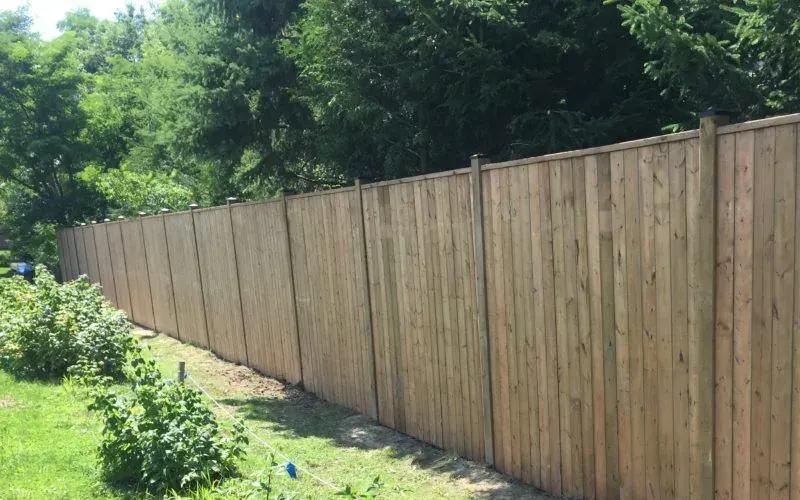
‘A good neighbor is a fellow who smiles at you over the back fence but doesn’t climb over it’ – Arthur Baer. Perhaps putting perspective on Mr. Baer’s standard for neighborliness, Rober Frost made this now-famous statement, ‘good fences make good neighbors’. At Jay Fencing we couldn’t agree more with the two wise gentlemen. Our work fencing houses and commercial properties around Cambridge has taught us that to keep the peace with your neighbors, it is best (and easier) to not give conflict a chance. We believe that you make your own neighbors. That a weak fence that’s easy to breach encourages burglars and intruders. Likewise, a fence that offers no privacy invites the attention of neighbors and passersby, unable to resist stealing a glance at you stretching about in your backyard. The security, privacy, and your whole property’s look is a product of the quality of your fence. It is also to a large extent determined by your choice of the fencing contractor. Why Cambridge Property Owners Trust Jay Fencing We are not the only fencing contractor in Cambridge or indeed in Ontario. So why should you choose us over the others? We can list many reasons why choosing Jay Fencing to fence your property is a smart decision. But we can’t think of one that’s more important than our experience. Experience can’t be bought or faked. It’s either you have fence X number of properties over a span of Y years, or you haven’t. We have been serving Southern Ontario for decades, honing our craft and perfecting our systems one fencing project after another. Because we have already served our apprenticeship, you won’t have to pay for our on-the-job training with your own security. It is the quality and length of our experience that gives us the confidence to attach a guarantee to our work: Our two-year quality guarantee is a show of confidence and trust in our own work We probably wouldn’t be promising to repair your fence at no charge if it fails within two years of us installing it if we didn’t think it will hold up for that long. We guarantee our work because we value quality craftsmanship. We want you to have absolute confidence that your new fence investment will pay off. To show you that we put our money where our mouths are, we will repair your fence if it fails because of poor welding, peeling paint, or any other defects that hint at poor craftsmanship. Between you and us, we would rather not work free of charge and, to avoid that, we simply do it right the first time. Two years is a long time, so why are we so confident in our services? We were fence technicians before anything else We have since expanded our installation services to include gazebos, decks, gates, enclosures, railings, and privacy screens among other home improvement services. But fencing is where we cut our teeth. To Jay Fencing, fencing is not an added service or something we added to diversify and recession-proof the business. We started in fencing because it’s what we knew how to do best. We have watched as vinyl fences grew in popularity and can rightly claim to have been one of the fencing material’s early proponents. We are just as experienced with other fences, whether they are board-on-board privacy fences or chain-link fences. Name any type of fence and we will point you to a home in Cambridge where you can go and review our work in person. You can leverage our experience to get a secure fence that will frame your property for the best curb appeal. Enjoy your well-manicured yard in perfect seclusion (and security) It matters little that your home is beautiful if you don’t feel secure in it. Or that your yard is well-tended if you can’t enjoy it without the prying glare of neighbors. A good fence will complete your home into a secure suburban oasis that your family and pets can enjoy. But all this begins with your selection of a fence builder in Cambridge. Jay Fencing offers a variety of fencing solutions that are perfectly customized to your security, privacy, and aesthetic needs. When you choose Jay Fencing to install your fence, expect the following: A breakdown of the materials you need and our reasons for our recommendations, If the job entails replacing an old fence, we will assess the existing fence and tell you what materials can be salvaged for recycling, A realistic time budget for how long the fencing job will take, A clear statement on what warranties and guarantees you should expect, A clear written agreement on payment, including terms and plans (where applicable). Ready to get started with your fencing project? Jay fencing is a leading fencing contractor with a strong reputation and a growing list of satisfied customers in Cambridge, ON. Contact us below to discuss your project.
How Do You Take Care Of A New Wood Deck?
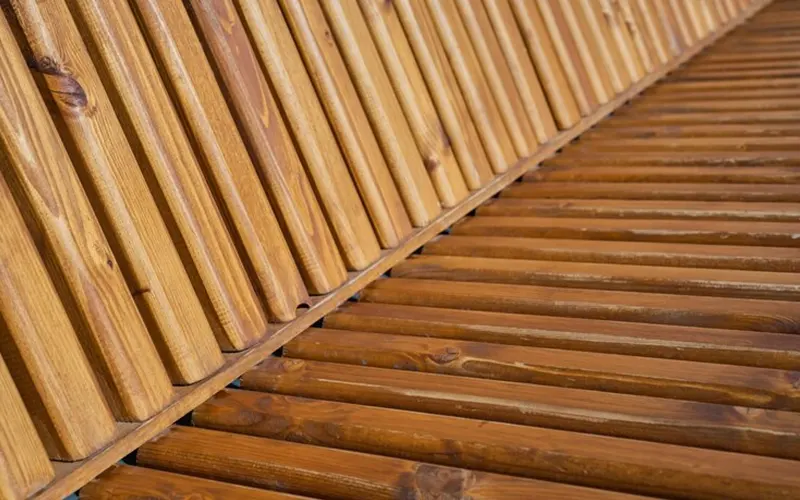
As an extension of your living space, and an area you are likely to be spending a lot of your family time, your new wooden deck needs to look clean and sanitary, and feel stable for as long as possible. It also helps if your deck can look new for longer, both for your family and the many friends you will be hosting and entertaining there. In other words, you want to maximize your new deck investment. On this page, you will learn tips on how to take care of your new wood deck. We will also answer the most pertinent questions new deck owners ask on deck maintenance. Deck maintenance tips: How to keep your wood deck looking new If you don’t properly care for it, your wood deck will rot and break down long before it has to. A neglected deck also exposes your family and friends to the risk of injury. Here are tips on how to maintain your new deck so it looks its best for longer: 1. Sweep your deck regularly to remove dead leaves It sounds obvious that you should work out a cleaning schedule for your new deck to maintain its looks. But it is important to know that some types of dirt have a more damaging effect on your deck than others. If you have tall trees around the vicinity of your deck, it is a given that you are going to have a lot of dead leaves falling onto your deck. Normally that shouldn’t be a big problem. But if your climate is wet and humid, dead leaves allowed to collect and sit – especially in the corners – will start to rot. Rotting leaves will leave unsightly spots on your deck that will be hard to remove. Even worse, if the rotted leaves are left uncleaned for too long, the wooden boards underneath will start to rot too. When that happens, it is not only the deck’s looks you will be worrying about. The deck may become unstable, putting the safety of everyone who uses it at risk. When cleaning your deck, use a blower to remove both dead leaves, debris, as well as dust. Make sure to remove all dirt stuck between deck boards and to reach well into the corners. 2. Keep your new deck free of clutter Cleaning and maintaining your deck becomes a challenge if there is clutter everywhere. If you have chosen to furnish it, make sure everything is kept tidy and orderly. Make sure to move your couches, daybeds, and other furniture you keep on the deck every time you clean. Decluttering also makes the deck a safer place to lounge and to entertain guests. 3. Stain your new deck to prevent sun bleaching We generally stain the wood to get the colour of shade we prefer. But for decks, in particular, wood stains have an aesthetic as well as a protective function. But it’s important to note that staining your deck only protects it from sun damage. Staining offers minimal if any protection where moisture damage is concerned. However, there are products that combine both staining and sealing qualities. This means you only apply once and your deck will be protected from both sun and moisture damage. That said, sealants that contain a stain or pigment do not always produce the most pleasing results. The stain isn’t always uniform. So do a test first by applying to a small area to see if the result is what you are looking for. 4. Apply a sealant to protect your new deck from rot Wood, unfortunately, is susceptible to damage by the elements. The most damaging of these is moisture from rain, which causes rot, mold, and mildew. Rot destroys wood, ruining both your deck’s looks and structural integrity. So it’s important to waterproof your deck to prevent it from rotting. The best way to do this by applying a sealant. If you are going to stain your wood deck, it’s best to do that before applying a sealant. But if you prefer your deck in your chosen wood’s natural shade, you can go ahead and apply the sealant. The deck will still be just as protected. Sealants have a viscous consistency that seals the wood grain and prevents moisture from seeping in. So if you’re asking, yes, you do need to seal your new deck. But you shouldn’t do it immediately after installation. In fact, there is a good reason to wait it out: How long should you wait to treat a new deck? For new decks, it is best to wait for the preservative on your wooden decking to weather out before applying sealant. That normally takes 30 days. Why should you wait 30 days before treating your new deck? Because preservatives used on the wood prevent sealant from properly penetrating and adhering to the wood. You should do a moisture test to know when to seal your new deck. Splash some water on the deck and see if it beads up or soaks into the wood. If it beads up, the deck is not ready. And if the water absorbs into the wood, the deck is ready to seal. For the best results, wait until the deck is well dried and free of dust and dirt before sealing. You will not be able to clear any spots or dirt marks you seal over unless you sand the decking first. Is it better to stain or paint a deck? Besides applying a sealant, you can also apply a deck paint, although it does not work as best as a sealant will. Basically, you want a sealant that will absorb into the wood and treat it from inside and not one that forms a film on the surface. Choose oil-based sealants over water-based ones for the longest-lasting protection. To answer the question, it is best to stain